2010 was often a rotten year, both in books and out of books. Not that I am blaming the books you understand. If anything, there was comfort to be taken from the fact the pages did not misunderstand me by being full of sweetness and light.
Instead the books I read were often frustrating, full of let downs and wrong turns, the promises made on the first page escaping, slipping away, as if through the holes in the letters. There were books written by people failing to get their great ideas onto the page — or read by a reader who failed to get them off the page, the ink too dry and brittle to make a mark. The Unnamed by Joshua Ferris certainly falls into this category, as does Tyler Cowen’s The Age of the Infovore. Both are intelligent, curious books which I just didn’t connect with.
There were books that just didn’t pan out in the way I wanted. It’s too easy for new novels to get to a certain status on little more than fumes. Have a link between author and topic that’s easy to summarise, strengthen with topicality and a certain obviousness and you’re away. That’s certainly how I felt about The Reluctant Fundamentalist, an easily blurbable book thanks to its concept and direct opening, which sees the fundamentalist of the title beginning an unctuous monologue with an impassive listener in a cafe in Lahore. Said listener is an American capitalist pigdog, easy in his skin, silent with his Amex and keys to the world. The narrator quickly becomes deeply irritating, the plot is full of soft contrivances. The result is a book which lacks the confidence to indict either the American or the Fundamentalist, never getting up the guts to really howl, or to get as dark and difficult as the subject demands.
Laura Cumming’s book on self-portraits, on the other hand – A Face To The World – absolutely has the courage of its convictions, and it’s impossible not to connect to them. It’s a series of luminous essays giving a close-reading to a wide range of images, its thematic chapters sweeping with an easy grace through over five hundred years of art history, but never forgetting to bring you up close to the pictures. You finish the book feeling as though you’ve not only seen the self-portraits, but are so convinced by the psychological insight of the writing, you’ve become the blank canvas sat before the painter, looking at him while he paints.
The Lost City of Z was terrific too, a book about a dangerous journey into the Amazon by the last of the lunatic Victorian gentleman explorers – the kind of gent who considered a well-waxed mustache and a sense of God-given grace was sufficient protection against one of the world’s most hostile environments. I bought myself a copy, and then one for a friend, and then one for my brother and I’ll keep on buying it.
I enjoyed The Leopard, particularly after watching a BBC 4 documentary about it. It’s one book where I think a good Google before, and during, reading, really helps. David Mitchell continued to be the contemporary author I find most in tune with what I want from literature; The Thousand Autumns of Jacob de Zoet was great. Colonialism. Capitalism. Japan. Lost love. Ninjas.
But the best thing I read this year was The Odyssey. Not much of a recommendation, really, because not a single person will likely read it as a result. I mean, it’s The Odyssey. No-one actually reads The Odyssey any more. There’s no link between the author and the text, no link between the story and the world now, no momentum at all. It’s like the giant stone fragments of the Pharoahs in the British Museum: it’s amazing that they’ve survived, but they’re not the kind of thing you want in your lounge. They’re just not relevant.
Continue reading “The best book I read last year was The Odyssey”
 I started May off with a cold which means that despite the good weather it’s almost a week into the month before I get going again. During the lay-off, I snagged a half-price Club Jersey from Rapha which given their prices, makes it just about affordable. Still, it’s great quality stuff and looks excellent. Well worth keeping an eye on the clearance section of their site.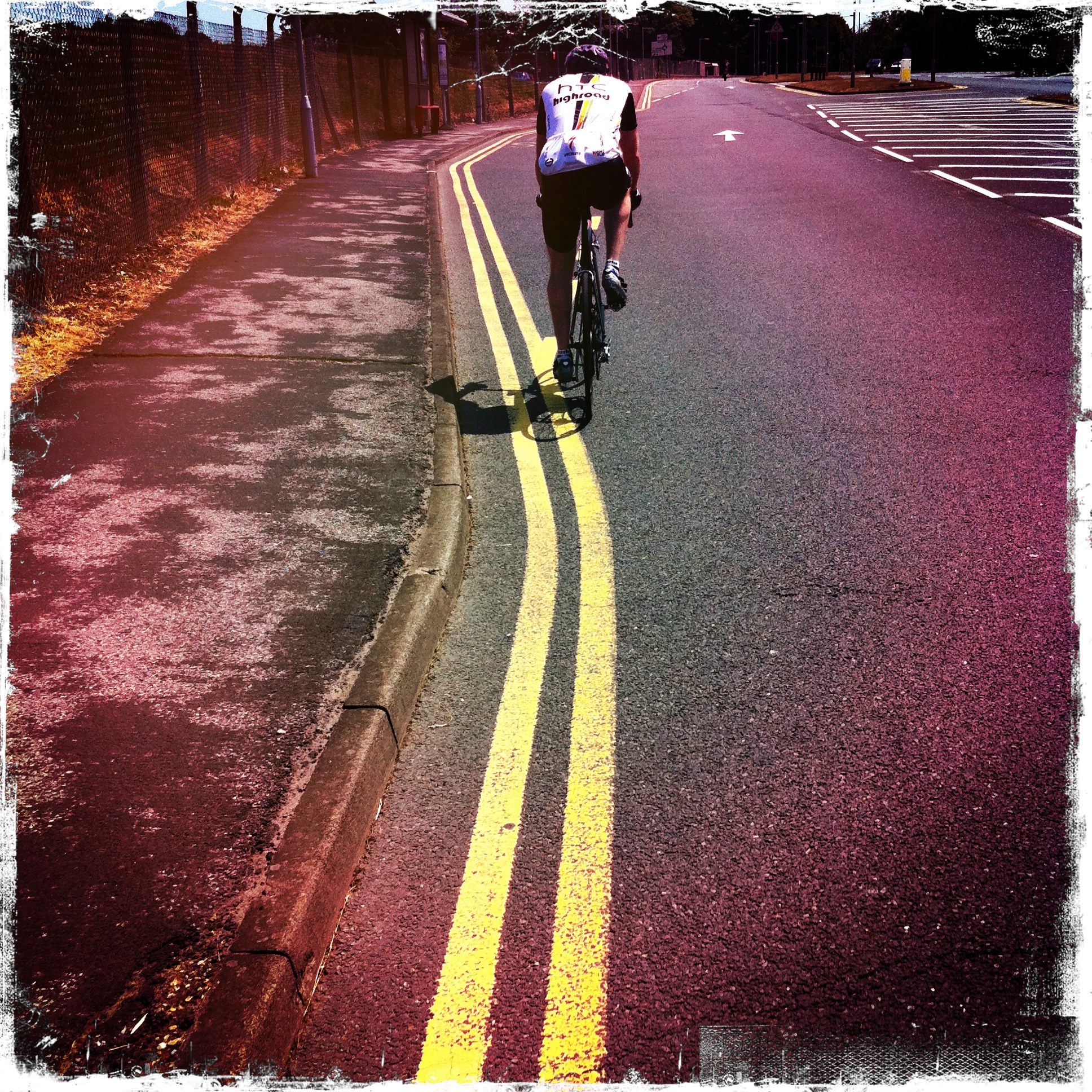



 The Wired Jester